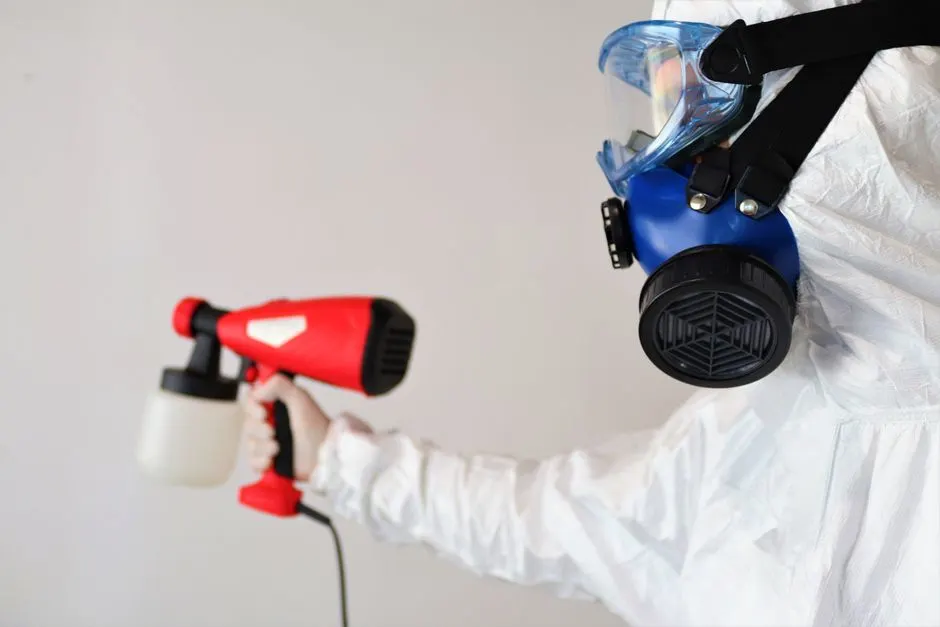
Full Moisture Inspection
Thermal imaging cameras and moisture meters trace every wet area, including behind walls and under floors. We map the source before we cut anything, so the scope matches the actual problem instead of a guess.
Every mold job includes inspection, containment, removal, antimicrobial treatment, and structural drying. Testing and reconstruction are available as add-ons depending on what you need. Here is what comes standard when you book us.
Thermal imaging cameras and moisture meters trace every wet area, including behind walls and under floors. We map the source before we cut anything, so the scope matches the actual problem instead of a guess.
ZipWall barriers and plastic sheeting seal the work zone, and HEPA air scrubbers run continuously. Spores stay in the containment instead of drifting into your living room or HVAC system.
Contaminated drywall, insulation, and trim come out and leave in sealed bags. We HEPA-vacuum all surfaces, then apply an antimicrobial solution to the framing before drying begins.
Air movers and dehumidifiers run until framing moisture hits the dry standard. We log readings daily so you can see the progress, not just take our word for it.
A final walkthrough confirms visible growth is gone and moisture is at target. If you want lab confirmation, we can arrange post-remediation air sampling before we close the job.
Mold Remediation Boise ID is the process of finding every moisture source feeding the growth, containing the affected area, physically removing contaminated materials, and drying the structure so spores cannot return. We do not paint over it or fog it and walk away. We use thermal imaging cameras and moisture meters to trace water behind drywall, under flooring, and inside wall cavities, then set up ZipWall barriers and HEPA air scrubbers to keep spores out of the rest of your home. Removal, disposal, and antimicrobial treatment all happen in the same job.
Boise homes grow mold for predictable reasons. A burst pipe in January, a crawl space that stays damp through spring runoff, or a roof leak that soaks attic insulation for weeks before anyone notices. The Treasure Valley's dry summers do not protect you once water gets inside a wall. Most mold removal Boise calls we run start as mold removal after water damage Boise that was never fully dried. If you are searching for professional mold removal near me, the fix is moisture control first, remediation second.
Every job follows the same sequence because skipping steps is how mold comes back. Here is what you can expect from the first phone call to the final clearance check.
Schedule
Call or book online — a real human picks up and confirms a 2-hour arrival window.
Diagnose
Licensed tech inspects on-site, then walks you through the cause and your options.
Fix
The job is completed to code and done right the first time — no shortcuts, no surprises.
Guarantee
Every job backed by a written workmanship warranty — and we stand behind it.
Thermal Imaging Cameras
Reveal temperature differences that point to hidden moisture behind drywall, under flooring, and inside wall cavities before we cut.
Moisture Meters
Measure water content in framing, drywall, and subfloor so we know exactly when the structure is dry to standard.
HEPA Air Scrubbers
Filter airborne spores down to 0.3 microns and maintain negative air pressure inside containment throughout the job.
Dri-Eaz and Phoenix Dehumidifiers
Pull moisture out of the air and materials fast, cutting drying time and reducing the window for new growth.
Hydroxyl Generators
Neutralize odors and microbial contaminants in occupied spaces without the evacuation that ozone requires.
Borescopes
Let us look inside wall cavities through a small hole, so we can confirm growth without tearing out more than necessary.
IICRC S520 Mold Remediation Standard
The industry standard for assessing and removing microbial growth. We follow its containment, removal, and clearance protocols on every job, which is also what insurance adjusters expect to see documented.
IICRC S500 Water Damage Drying
The drying standard we use to set moisture targets for framing and materials. Following it means we dry to a measurable endpoint instead of guessing when the wall is ready to close.
Negative Air Pressure Containment
We seal the work zone with ZipWall barriers and plastic sheeting, then run HEPA scrubbers to keep the space under negative pressure. Air flows into the containment, not out into your home.
Antimicrobial Treatment and Encapsulation
After removal, we apply an antimicrobial solution to exposed framing. Where needed, we use encapsulants to seal porous surfaces that cannot be removed, locking in any remaining residue.
01
What we do: We extracted the water, opened the wall, removed the wet drywall and insulation, and ran drying equipment until framing readings hit the dry standard. Antimicrobial treatment went on before the cavity was closed.
→ The wall was rebuilt in four days and post-remediation air sampling came back clear. No mold, no lingering smell.
02
What we do: We contained the crawl space, removed the affected joist sections and insulation, treated the remaining wood, and dried the area. We also installed a vapor barrier to control ground moisture.
→ The odor disappeared within a day of drying, and the vapor barrier keeps the space dry through spring runoff.
03
What we do: We documented everything for the owner's insurance claim, removed the contaminated drywall, dried the framing, and coordinated the rebuild so the unit could be re-rented.
→ The claim was approved with our Xactimate documentation, and the unit was back on the market in under two weeks.
04
What we do: We replaced the failed sump pump, removed the mold-affected materials, treated the framing, and dried the basement to standard.
→ Moisture readings returned to normal in three days, and the new pump has kept the basement dry since.
Boise sits in a high-desert climate, which surprises people who assume mold is a coastal problem. The real issue is water intrusion, not humidity. Frozen pipes in January and February crack supply lines inside walls, and spring runoff pushes groundwater into crawl spaces across the Bench and Garden City. Older homes in the North End and Downtown often have original galvanized plumbing and unvented crawl spaces, which is a combination that grows mold quietly for months. Newer construction in Harris Ranch and Southeast Boise is tighter, so a small roof leak in an attic can soak insulation for weeks before anyone smells it. We follow Idaho Contractor Registration requirements and EPA Lead-Safe practices on pre-1978 homes, which matters when remediation disturbs painted surfaces. If you need black mold remediation Boise Idaho homeowners trust, the job starts with finding the water source. We check the roof with a drone, inspect the crawl space, and pressure-test suspect lines so the mold does not come back after we leave.
North End
Many homes here date to the early 1900s with original plumbing and unvented crawl spaces, so slow leaks feed mold for months before it is visible.
Boise Bench
Sloping lots push groundwater toward foundations during spring runoff, and crawl space mold is one of our most common calls in this area.
Southeast Boise
Newer, tightly built homes trap moisture from small roof leaks. Attic mold often shows up before any interior stain appears.
Garden City
Low elevation and proximity to the river mean sump pumps run hard in spring. When one fails, basement mold follows within days.
Freeze-thaw cycles from December through February
Pipes in exterior walls crack, and the leak often goes unnoticed until a stain or smell appears. We inspect these walls first on any winter mold call.
Spring snowmelt and runoff in March and April
Groundwater rises against foundations and into crawl spaces. We see a spike in crawl space mold calls every April and May.
Wildfire smoke season in late summer
Smoke odor can mask musty smells, so mold goes undetected longer. We check for moisture issues whenever we run an odor job.
Dry summer air that hides active leaks
Low humidity dries surfaces fast, so a slow leak inside a wall may not show on the paint. Thermal imaging is the only reliable way to catch it.
Mold shows up in the same places over and over in Idaho homes. These are the calls we run most, and what happens when they are ignored.
Problem
That smell is airborne spores. Left alone, growth spreads along joists and into the floor above, and the odor works its way into living areas.
Our Fix
We inspect with thermal cameras, remove affected wood and insulation, treat the framing with antimicrobial, and dry the space to standard. Most crawl space jobs finish in three to five days.
Problem
A slow supply line leak soaks drywall paper, which is mold food. By the time you see a stain, the growth is usually already inside the cavity.
Our Fix
We open the wall, contain the area, remove contaminated drywall, and dry the framing. A typical bathroom wall job runs one to three days and includes a moisture check before we close it up.
Problem
Wet insulation holds moisture for months. Framing starts to rot, and spores pull into the HVAC system every time the air handler runs.
Our Fix
We remove the wet insulation, treat the decking and rafters, and dry the attic. We can also check the roof with a drone inspection to find the entry point so it does not happen again.
Problem
If the moisture source was never fixed, mold comes back within weeks. Repeated cleanups cost more than doing the job correctly once.
Our Fix
We find the source first, whether it is a foundation leak, a failed sump pump, or a slow drain. Fix the water, remediate the mold, and it stays gone.
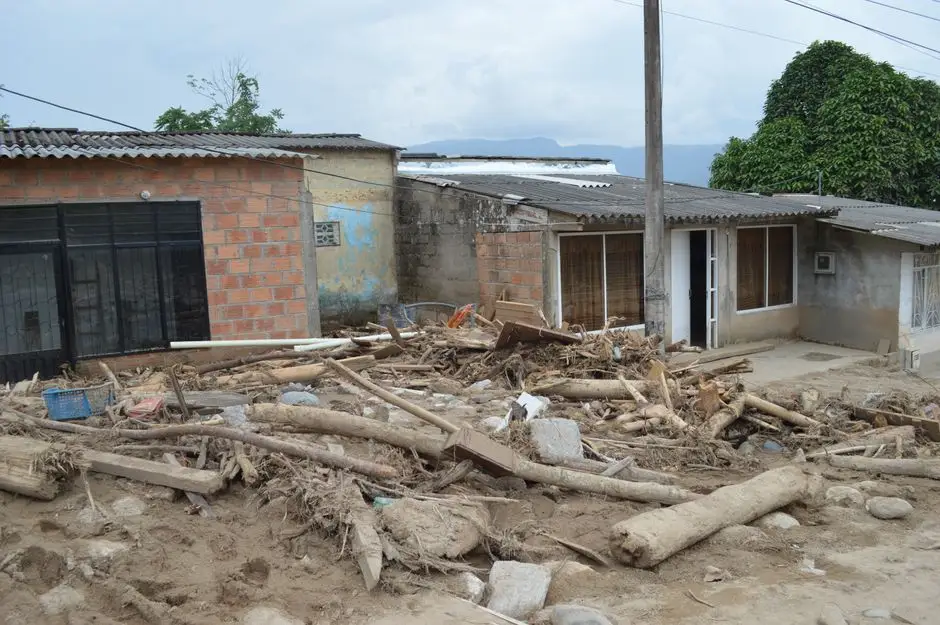
Mold does not stop at the surface. It eats drywall paper, rots framing, and pushes spores into your HVAC system within days. Here is what you get when our crew handles the job instead of a general handyman with a spray bottle.
Removal, Not Cover-Up
We cut out and bag contaminated drywall, insulation, and baseboards rather than sealing them in. Porous materials cannot be cleaned, only removed, and that is the difference between a fix and a callback. Every load leaves the property in sealed plastic.
Air Quality You Can Feel
HEPA air scrubbers run through the entire job, pulling airborne spores down to 0.3 microns. Customers in the Boise Bench tell us the musty smell is gone the same day we finish. That is not perfume, that is filtration.
Drying Done to Standard
We dry to IICRC S500 and S520 targets, checking moisture content in framing with meters until readings match a dry standard. No guessing, no fans left running for a week hoping for the best. You get numbers, not opinions.
Insurance Paperwork Handled
We document with photos, moisture logs, and Xactimate-ready line items so your adjuster sees exactly what happened. Most Boise policies cover mold that stems from a covered water loss. We work directly with your carrier to keep the claim moving.
Google ★★★★★4.9
Found mold behind our shower wall after a leak. They contained the area, removed the drywall, and dried everything in three days. Showed me the moisture readings before and after, which no other company offered to do.
Google ★★★★★4.8
Crawl space mold from spring runoff. The crew was on time, suited up, and finished in four days. The vapor barrier they installed has kept the space dry through two springs now.
BBB ★★★★★4.9
Handled our rental property mold claim start to finish, including the insurance paperwork. Clear communication, fair price, and the unit was re-rented in under two weeks.
Rapid Disaster Cleanup Boise id has been working Idaho water and mold jobs since 2016. Our technicians hold IICRC certifications in Water Restoration (WRT), Applied Structural Drying (ASD), and Applied Microbial Remediation (AMRT), which is the specific credential for mold work. We are an EPA Lead-Safe Certified Firm and carry Idaho Contractor Registration. That matters in older Boise homes where disturbing painted surfaces can release lead dust on top of the mold problem. We have handled everything from a single bathroom wall in the North End to full crawl space restorations in Garden City.

Real experiences from customers who chose our Mold Remediation services.
“We found black mold behind the bathroom vanity after a slow leak. The crew contained the whole room, cut out the wet drywall, and had the wall dried and closed back up in three days. They showed me the moisture readings before and after, which I appreciated. No smell left at all.”
Marcus T.
Homeowner, North End
“Our crawl space had mold along the joists from spring runoff. They suited up, removed it, treated the wood, and installed a vapor barrier. The quote matched the final bill exactly. I have already recommended them to two neighbors.”
Dana R.
Homeowner, Boise Bench
“A tenant reported a musty smell after a pipe leak. Rapid Disaster Cleanup handled testing, remediation, and the insurance paperwork in one pass. They kept me updated daily and finished ahead of the estimate. That is rare in this business.”
Kevin S.
Property Manager, Southeast Boise
Real answers to the questions we hear most often from local homeowners and property managers.
Mold almost always follows a water loss that was not dried fast enough. We extract, dry, and document the same job, so your Boise home does not grow a second problem behind the first one.
View Water Damage RestorationStanding water feeds mold within 24 to 48 hours. Our emergency crews pull water out of Boise homes at any hour, then set drying equipment so the wall cavity never gets the chance to bloom.
View Emergency Water RemovalA frozen pipe in a Boise winter can soak a wall for hours before you notice. We stop the water, open the cavity, and dry it to standard, which is the single best mold prevention step you can take.
View Burst Pipe Water DamageFirefighting water sits in walls and floors long after the flames are out. We dry the structure and treat affected materials so smoke damage does not turn into a mold claim weeks later.
View Fire & Smoke Damage RestorationIdaho wildfire seasons push smoke into homes through every gap. We use hydroxyl generators and HEPA filtration to clear odor and particles, and we check for moisture issues that smoke events often hide.
View Wildfire Smoke & Odor RemovalLab air and surface sampling confirms what kind of mold you have and how far spores have spread. Testing before remediation tells us the scope, and post-clearance testing proves the job worked.
View Mold TestingCall 208 848-5209 any time, day or night. A live dispatcher answers, asks what is wet and what is still running, and sends the closest crew. Most Boise-area jobs get a truck on site within 60 to 90 minutes. You can also email info@rapiddisastercleanupboiseid.com for non-emergency estimates and insurance documentation.
Phone
208 848-5209Address
518 N 6th Street suite 12, Boise, ID 83702
Hours
Mon–Fri: 7AM – 7PM
Sat: 8AM – 4PM
Sun: Emergency Only
24/7 Emergency Available